Differences Between Blockchain and Databases


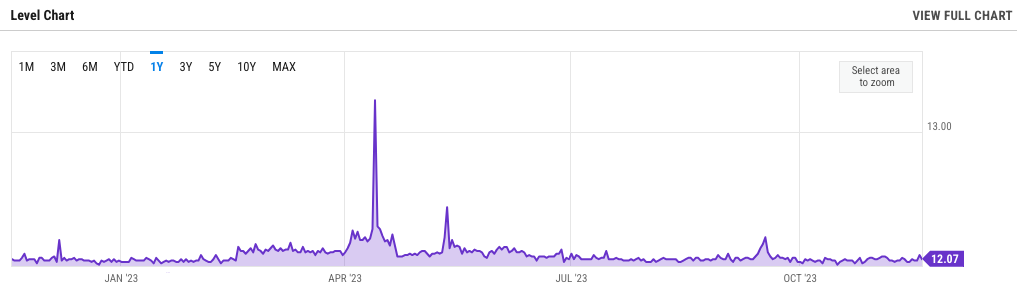
With new technologies come new terminologies, but not all users need to understand what blocks or transactions are in detail. However, for deeper understanding in development or industry, knowing about blocks and transactions is essential for advancing to the next step. Blockchain closely resembles a P2P file-sharing system, where blockchain nodes store and share blockchain data. This data includes traces of blockchain usage, such as which coins are sent, the amount sent, and the sender and receiver details. Instead of having just one up-to-date file, blockchain creates a file every 12 seconds, saving all these files. These files are called blocks, and since the inception of blockchain, user data has been recorded in these blocks every 12 seconds. Each block contains information specific to that time period. To access the latest user data, all blocks from the beginning to the present are needed. The moment a block is created is called block time and can be marked with a timestamp. Each block contains individual user information, referred to as transactions. When a user sends coins, the data is stored on the blockchain as a transaction, including details like the type of coin sent, the amount, and the recipient.
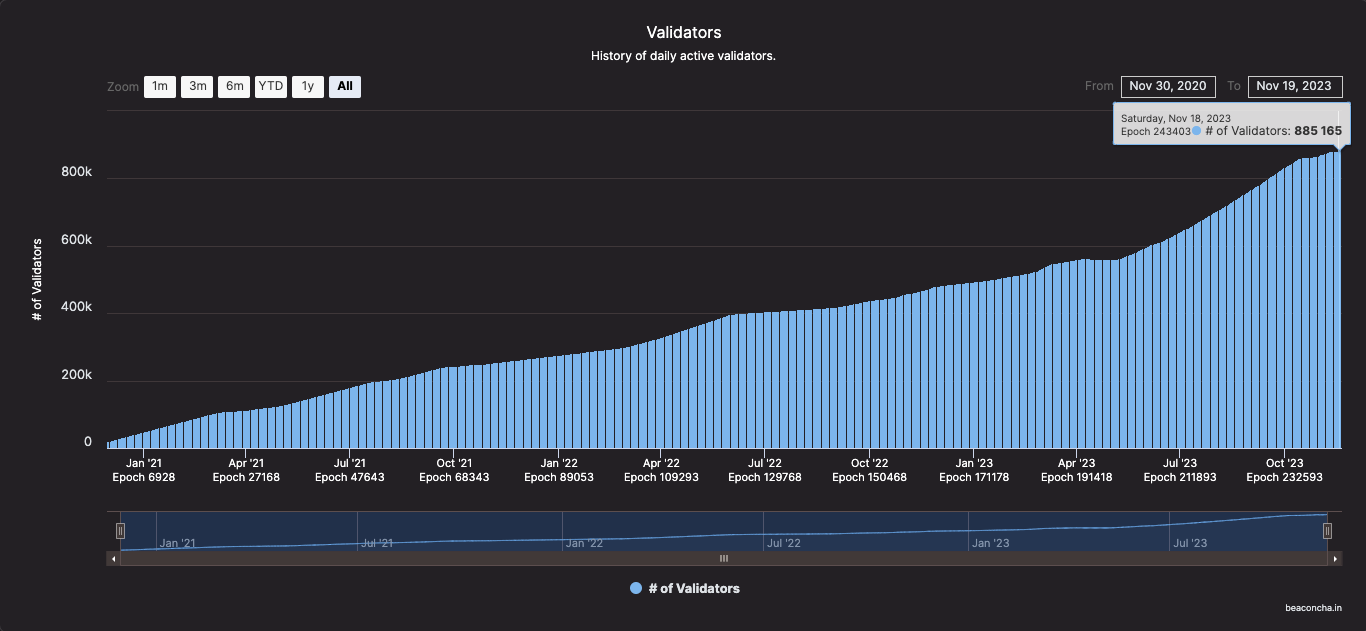
This process is somewhat similar to databases, which store user data and records. However, a major difference is decentralization versus centralization. Traditional app databases are usually managed by a single user or company, whereas blockchain data is stored by many people, making it resistant to hacking and tampering. The downside is inefficiency. For instance, over 880,000 nodes store and share Ethereum data, but the actual distribution might be less due to the multiplicity of data storage and sharing by a single computer. Despite this, the blockchain is considered inefficient because these numerous nodes are performing the same function that could be handled by a single database.
The inefficiency partly stems from technological limitations. There are limits to the number of transactions a block can hold. Both infinitely increasing block size and reducing transaction size are impractical, making it unclear how to maximize information storage in blockchain data. This issue might gradually resolve over time, but immediate solutions seem unlikely. Even after 5-6 years since 2017, there hasn't been much change. Despite these inefficiencies, I write about blockchain because I believe it still holds potential for ordinary users. Not all data needs to be stored on the blockchain, but it is sufficient for storing economically valuable assets, a task not easily achieved by traditional databases. While creating an app that increases a number when you press a '+' button is better done with databases or browser storage for speed and efficiency, blockchain data is considered safest and most efficient for circulating assets with monetary value. And this has been its developmental trajectory so far.
References: Created with OpenAI's DALL·E https://ycharts.com/indicators/ethereum_average_block_time https://beaconcha.in/charts/validators